Africa after 1848Remaking Abolition in the French-Speaking World
How contemporary writers from Africa and the African diaspora remake conservative and teleological understandings of abolition.
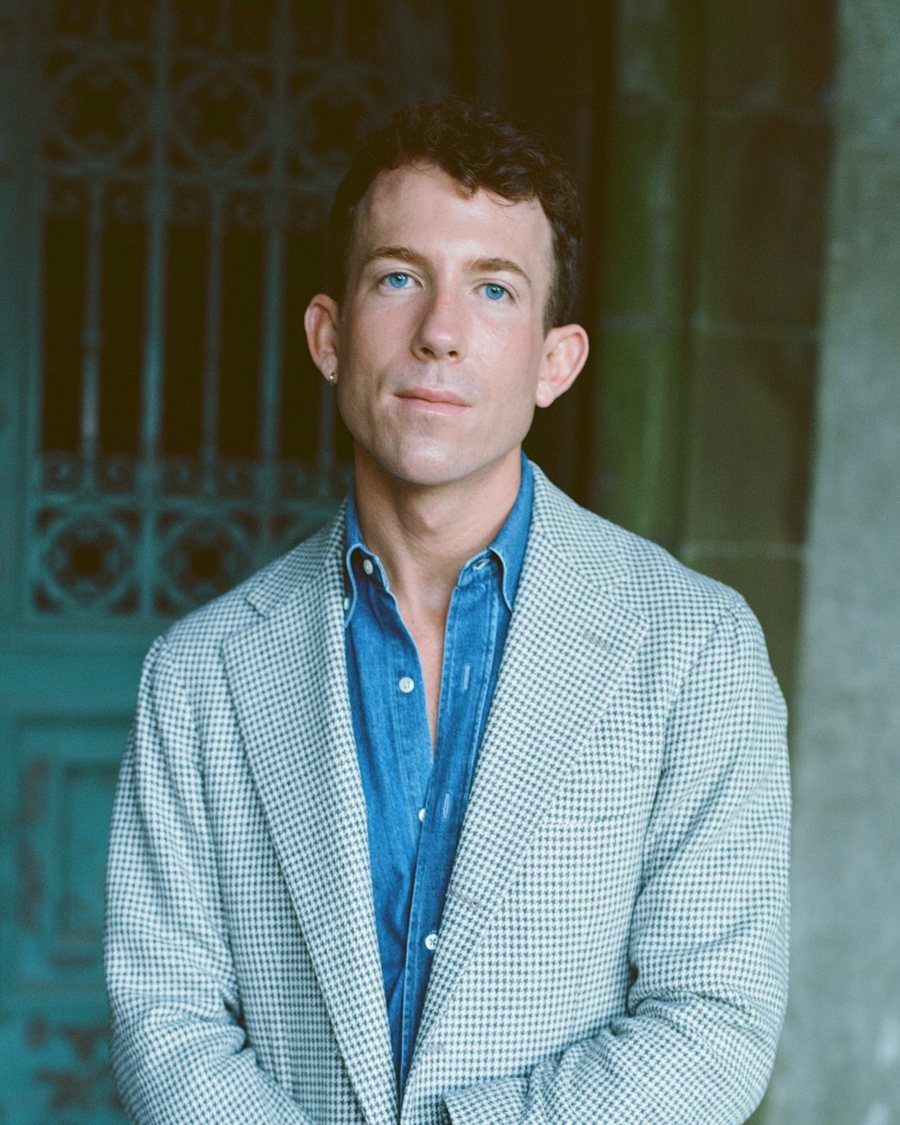
I write about African and Caribbean literatures and cinemas, the archives and afterlives of French and African slaveries, and Senegalese cultural production in Wolof and French, from the nineteenth century to the present. My scholarship traverses languages and media as well as historical periods. My public-facing writing appears in venues such as the Los Angeles Review of Books, Public Books and The New York Times.
I am University Assistant Professor of Francophone Postcolonial Studies at the University of Cambridge and a Fellow of Peterhouse.
Current fellowshipsSupported by fellowships from the Cullman Center for Scholars and Writers at the New York Public Library and the Leverhulme Trust.
How contemporary writers from Africa and the African diaspora remake conservative and teleological understandings of abolition.
France’s missionary projects in early nineteenth-century French West Africa, excavated through the story of one of West Africa’s first women religious.
Under contract · Yale University Press, Black Lives series
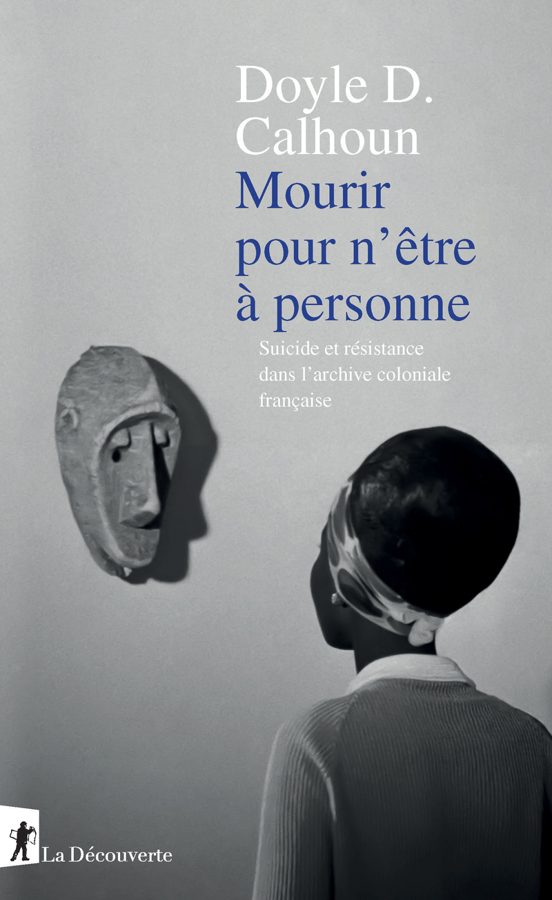
Retrace l’histoire longtemps occultée du suicide dans l’espace colonial français grâce à une brillante exploration des archives, des textes littéraires et des œuvres cinématographiques.
Revisits Ousmane Sembène’s landmark film, with contributions from filmmakers such as Moussa Sène Absa and Johanna Makabi, as well as Alain Sembène and major voices in African cinemas, including Samba Gadjigo, June Givanni, Manthia Diawara and Mahen Bonetti.
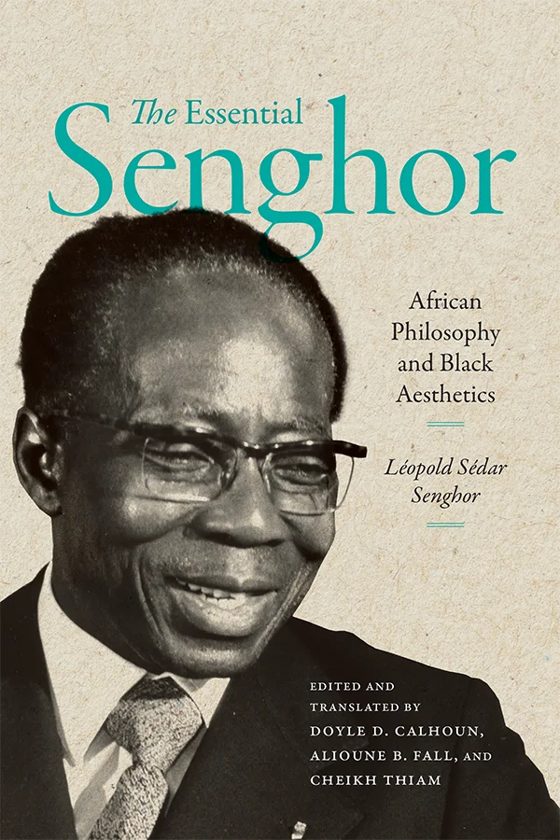
A book-length English translation of Léopold Sédar Senghor’s prose works.
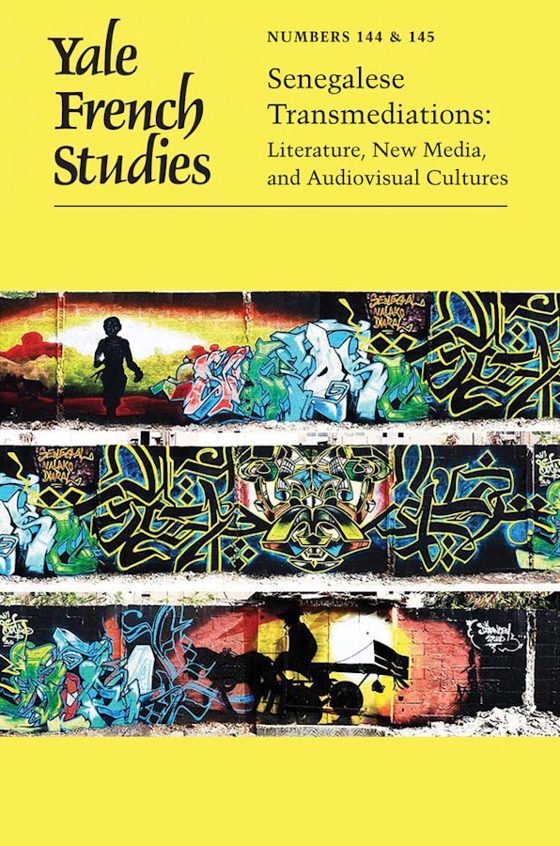
Explores the convergence of literature and audiovisual art forms within Senegal’s media ecologies, with contributions from scholars, filmmakers such as Moussa Sène Absa, writers such as Mohamed Mbougar Sarr, curators and visual artists.
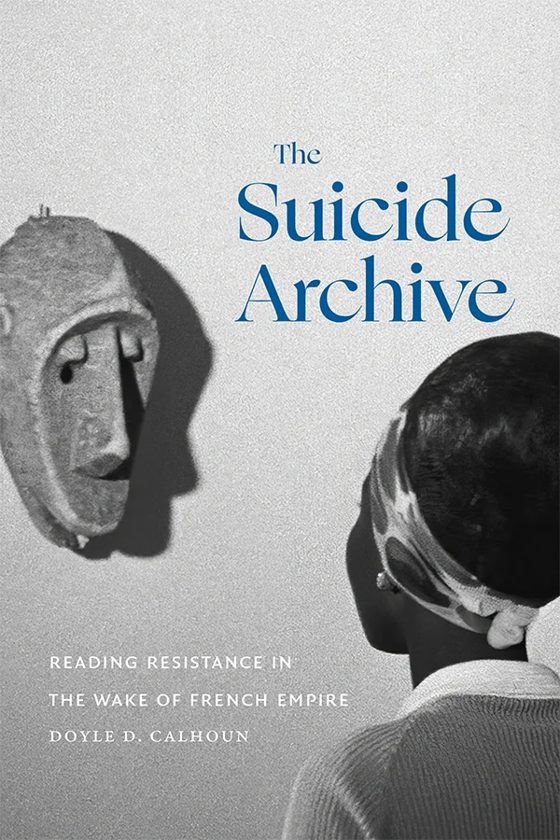
A long history of suicidal resistance to French colonialism and neocolonialism, from the time of slavery to the Algerian war for independence to the “Arab Spring.” Drawing on scientific texts, police records, oral histories, and African and Caribbean literature and film, the book reads aesthetic forms as alternative archives of historical memory.
Peer-reviewed work on literature and film, slavery and abolition, and the history of missionary and colonial linguistics.
Co-convener of a Cambridge network for research across African literatures, histories, languages and arts.
Three days of screenings and an international symposium on the life and legacy of Ousmane Sembène’s 1966 film, with filmmakers, critics and Sembène’s family.
Doyle D. Calhoun is University Assistant Professor of Francophone Postcolonial Studies at the University of Cambridge and a Fellow of Peterhouse. He works comparatively on African and Caribbean literatures and cinemas from the nineteenth century to the present.
His first book, The Suicide Archive: Reading Resistance in the Wake of French Empire (Duke, 2024), received the Modern Language Association’s Scaglione Prize for French and Francophone Studies and the African Literature Association’s Book of the Year award. A French translation is forthcoming from La Découverte. With Cheikh Thiam he edited Senegalese Transmediations (Yale, 2025), and with Alioune Fall and Cheikh Thiam he translated and edited The Essential Senghor: African Philosophy and Black Aesthetics (Duke, 2026).
His articles have won the African Studies Association’s ASR Best Article Prize, the Malcolm Bowie Prize of the Society for French Studies, the MLA’s William Riley Parker Prize, the Ralph Cohen Prize from New Literary History, and the Vivien Law Prize of the Henry Sweet Society. His criticism has appeared in the Los Angeles Review of Books, Salon and Public Books.
He received his Ph.D. in French from Yale University in 2022, where he was an affiliate of the Council on African Studies, after an M.A. in French linguistics from KU Leuven and undergraduate study in linguistics and French literature at Boston College. Before Cambridge he taught for two years at Trinity College, Connecticut. He has held residencies at the Fondation Camargo in Cassis and the Bibliothèque Marmottan in Boulogne-Billancourt, and has studied, researched and taught in the United States, France, Belgium, Senegal, Morocco and the Caribbean.
I welcome inquiries about speaking and writing engagements, and from prospective MPhil and PhD students working on African and Caribbean literatures and cinemas, the afterlives of French slavery, Négritude and Panafricanism, or the literature of decolonization.